

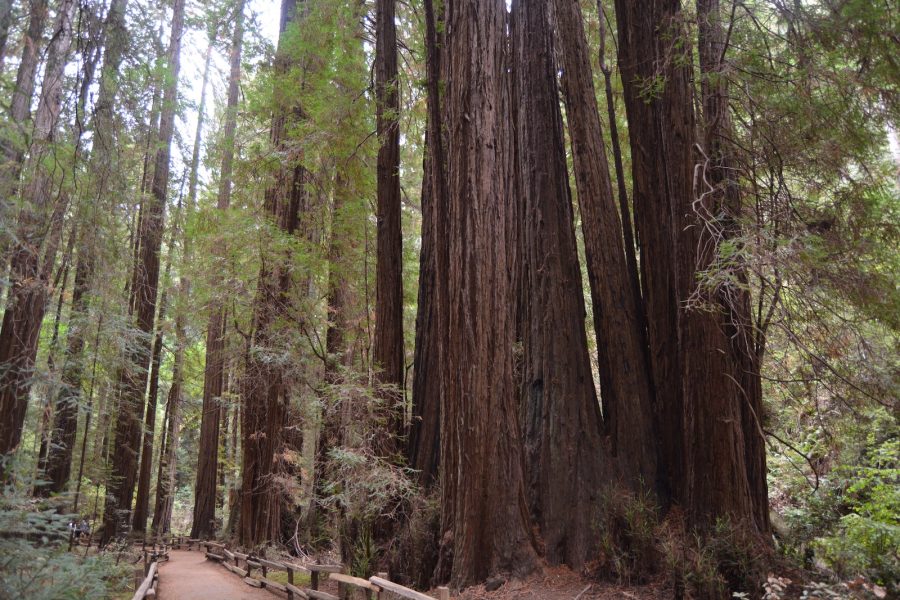
Western Red Cedar: BC’s Legendary Rainforest Tree
Towering over BC’s coastal rainforests, the Western Red Cedar (Thuja plicata) is one of the province’s most valuable and culturally significant trees. Known for its rot-resistant wood, fragrant needles, and deep history, this tree has been called the “Tree of Life” by Indigenous peoples for centuries.
How to Recognize Western Red Cedar
- Needles: Soft, flat, arranged in fan-shaped sprays.
- Bark: Reddish-brown, fibrous, peeling in strips.
- Size: Grows over 70 meters (230 feet) tall, with massive, buttressed trunks.
Where Western Red Cedar Grows
- Coastal rainforests, in BC’s wettest regions.
- Interior temperate rainforests, where it grows alongside Douglas Fir and Western Hemlock.
Why Western Red Cedar is Essential
- Supports biodiversity, providing habitat for birds, bears, and salmon.
- Stabilizes soils, preventing erosion along rivers and slopes.
- Is a key lumber species, used for construction and woodworking.
Western Red Cedar in Industry and Culture
- One of BC’s most valuable timber species, used for shingles, siding, and furniture.
- Deeply rooted in Indigenous traditions, used for canoes, clothing, and carvings.
- Popular in landscaping, as its wood is naturally decay-resistant.
Wildlife and Western Red Cedar
- Black bears, deer, and elk shelter in its forests.
- Eagles and owls nest in its high branches.
- Its roots keep river waters cool, benefiting salmon populations.
Fun Facts About Western Red Cedar
- Some of BC’s oldest trees, with individuals over 1,000 years old.
- Its wood naturally repels insects, making it ideal for outdoor construction.
- It has one of the longest lifespans of any North American tree.