

Western White Pine: BC’s Giant of the Forest
With its tall, straight trunk and soft, five-needle bundles, the Western White Pine (Pinus monticola) is one of British Columbia’s most majestic and economically significant trees. This fast-growing conifer thrives in both coastal and interior forests, making it a valuable resource for forestry and an essential part of BC’s ecosystems.
Identifying Western White Pine
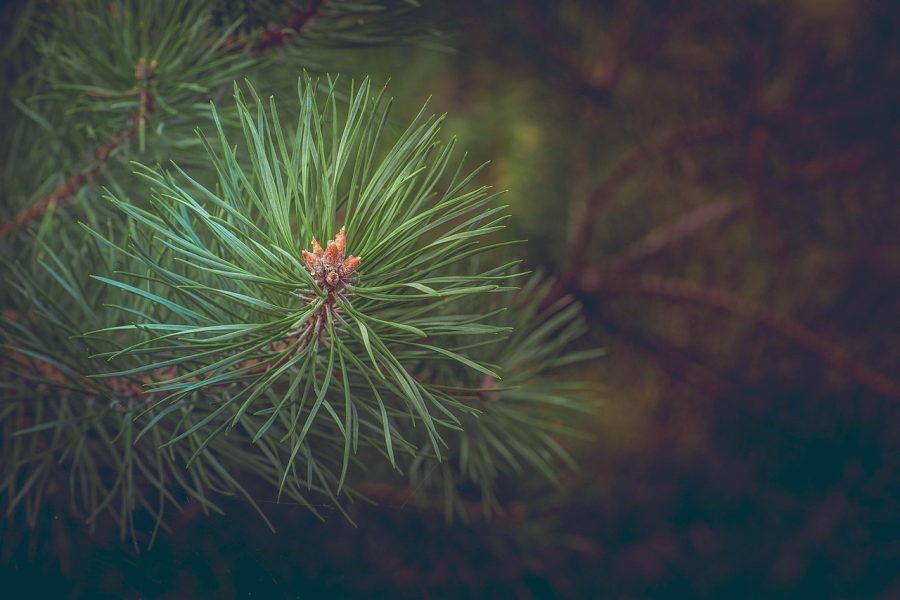
- Needles: Long, soft, and grow in groups of five.
- Bark: Smooth and gray in young trees, turning rough and furrowed with age.
- Shape: Tall and straight, forming a high-reaching canopy.
Where Western White Pine Grows
- Moist coastal forests, where it grows alongside Douglas Fir and Cedar.
- High-elevation interior forests, thriving in cooler mountain climates.
Why Western White Pine is Important
- Prevents erosion, stabilizing steep mountain slopes.
- Provides habitat for diverse wildlife.
- Is a key timber species, supporting BC’s forestry industry.
Economic Uses of Western White Pine
- High-quality lumber, used for construction and woodworking.
- Furniture, paneling, and cabinetry.
- Moldings and interior trim, thanks to its fine, smooth grain.
Wildlife in Western White Pine Forests
- Deer and elk shelter beneath its canopy.
- Birds and squirrels depend on its seeds for food.
- Bears use fallen logs as dens.
Fun Facts About Western White Pine
- It is one of the fastest-growing pines in BC.
- Its wood is prized for being lightweight and durable.
- Indigenous peoples used its sap for treating wounds and colds.
Conclusion
The Western White Pine is an essential tree in BC’s forests, supporting wildlife, forestry, and the environment. Whether towering over the landscape or used in fine woodworking, this tree remains one of British Columbia’s most important pines.